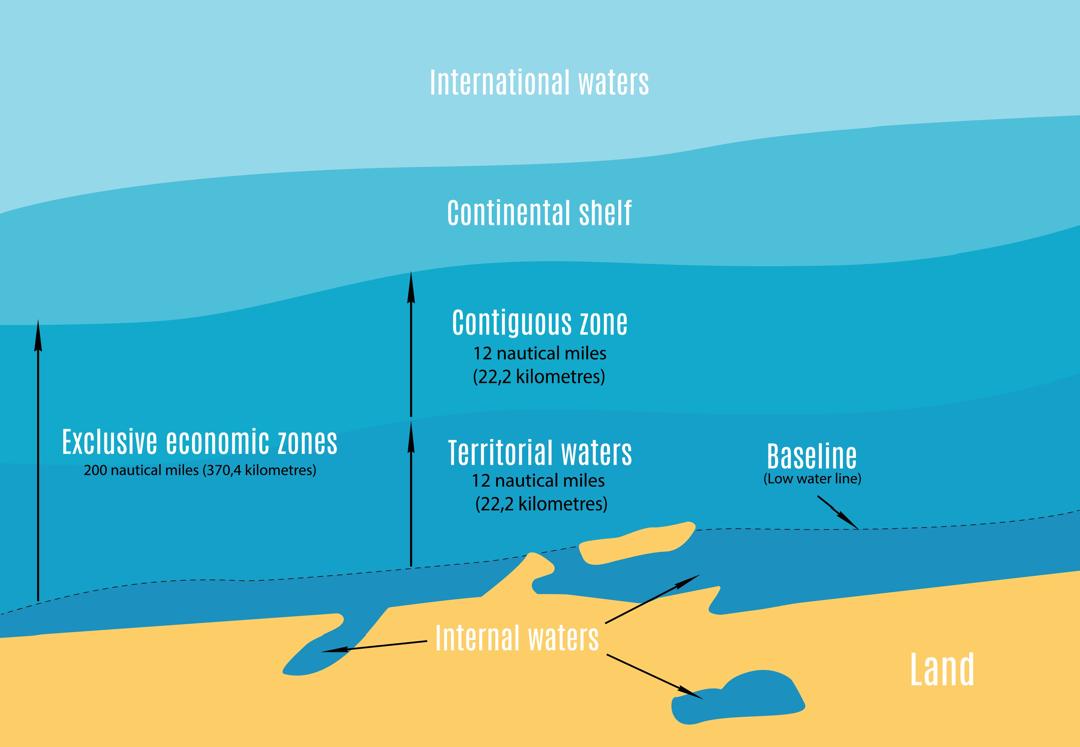
Land and natural resources are fundamental in Ghana’s economic, environmental, and social stability. They form the basis for productive activities including agriculture, mining, energy production, housing development, and conservation. The governance of these resources has direct implications for long-term sustainability.
The Current Landscape
In Ghana, land remains a pre-eminent economic and social assets. A significant proportion is held under customary ownership, overseen by traditional authorities, families, and clans, whereas the state administers public and vested lands. Natural resources—encompassing minerals, forests, water bodies, and petroleum—are constitutionally vested in the President in trust for the people. These assets contribute substantially to foreign exchange earnings and employment, notably via sectors such as cocoa production, gold mining, timber extraction, and oil and gas.
Environmental and Social Imperatives
Beyond their economic value, land and natural resources are essential for food security and climate resilience. Agricultural productivity relies heavily on access to arable land and reliable water sources, whilst forests and wetlands support biodiversity, regulate local climates, and protect watersheds. However, mounting population growth, urbanisation, and commercial exploitation have exerted significant pressure on these resources, leading to deforestation and environmental pollution.
Governance Challenges
Land and natural resource governance in Ghana continues to be beset by several challenges. These include land tenure insecurity, conflicting ownership claims, weak enforcement of environmental regulations, and the persistence of illegal small-scale mining. Such issues have contributed to environmental degradation, water pollution, and social unrest, thereby undermining sustainable development efforts. Climate change further exacerbates these challenges, particularly in vulnerable regions prone to frequent droughts, floods, and declining land productivity.To remedy these issues, Ghana has established legal and institutional frameworks aimed at bolstering land administration and natural resource management. Statutory bodies such as the Lands Commission, the Minerals Commission, the Forestry Commission, and the Environmental Protection Agency play pivotal roles in regulation, oversight, and enforcement. Policy reforms, incorporating land administration initiatives, seek to enhance tenure security, promote transparency, and support sustainable land utilisation practices.
Conclusion
Ensuring the sustainable management of land and natural resources necessitates an integrated approach that balances economic development with environmental protection and social equity. Strengthening institutional coordination, fostering community participation, and enforcing environmental standards remain critical to securing these resources. The responsible stewardship of land and natural resources is, therefore, essential to Ghana’s long-term development and the prosperity of future generations.
Author:
Jacque Barnes.
Research Lead
Global Future Institute.