
Published
January 7, 2026
No Comments
JOB CREATION
The 24-Hour Economy policy is described as “productive revolution that will increase earnings and turn idle hours into active work” (paragraph 992, pg. 127).
The government aims to create 800,000 new jobs in the 2026 fiscal year to improve productivity and make Ghana more competitive . Three (3) garment factories are expected to be built in the Bono East, Central and Eastern Regions, which will provide about 27,000 direct jobs.
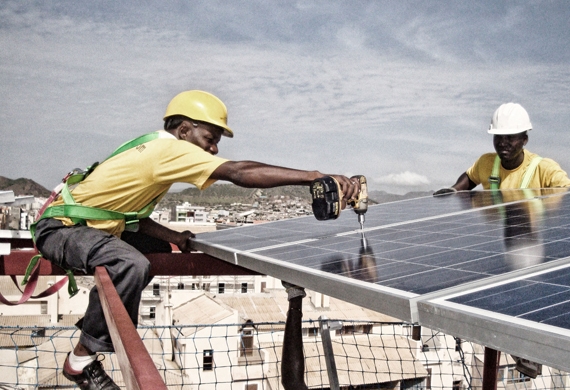
While the Big Push initiative would create 490,000 jobs in the construction sub-sector, most of these jobs cannot be sustained because they terminate when the project is completed, often resulting in labour force lapsing back into unemployment.
Also, It is not realistic or practically possible that the Oil Palm Development project will create 250,000 jobs within the fiscal year, as the Budget Statement purports because the tree crop project stretches over the next 5 to 7 years.
The issue of unemployment and job creation is urgent, yet the implementation of the government’s flagship policy (24HR Economy) received allocation of GH¢110 million to cover only administrative costs. It does not show that the government is seriously committed to its job creation initiatives.
Recommendation
Government must prioritise initiatives that creates sustainable employment for the youth. Between 2015 and 2024, Ghana spent more than GH¢4 billion on youth employment and capacity building, through YEA, NEIP, NABCO etc.; but none provided sufficient permanent roles or reduced unemployment significantly.
- We recommend the creation of training and career upskilling pathways for the youth to set them up for sustainable employment or entrepreneurship.
- Offer performance-based compensation models to attract and keep talents in the construction subsector, and ensure transparent career advancement pathways to boost overall productivity of the workforce.